accepting crypto, explained.
practical, no-hype guides for merchants and freelancers — written from real payment flows, not press releases.

getting started
3 guides getting started· 7 min·custodial vs non-custodial crypto payment processorsthe one architecture question that decides who controls your revenue — explained with the trade-offs both sides don't advertise.read the guide
  getting started· 9 min·self-hosted vs hosted crypto payments: keep your keysBTCPay-style self-hosting and hosted non-custodial gateways both keep your keys — here's what actually differs: cost, work, uptime and coins.read the guide
coins
9 guides coins· 8 min·how to accept bitcoin payments as a businessa practical BTC setup for merchants — wallets, confirmations, volatility, fees and getting paid straight to your own keys.read the guide
  coins· 8 min·how to accept usdc paymentsthe regulated dollar stablecoin, done properly — networks compared, a worked example, mistakes to avoid and a 1-minute setup.read the guide
  coins· 8 min·how to accept ethereum paymentsmainnet vs L2s compared, a worked cross-border example, the mistakes that cost real money — and ETH straight to your own keys.read the guide
  coins· 8 min·how to accept solana paymentscheckout that settles in ~1–2 seconds for fractions of a cent — speed compared to every alternative, a counter-top worked example, and setup.read the guide
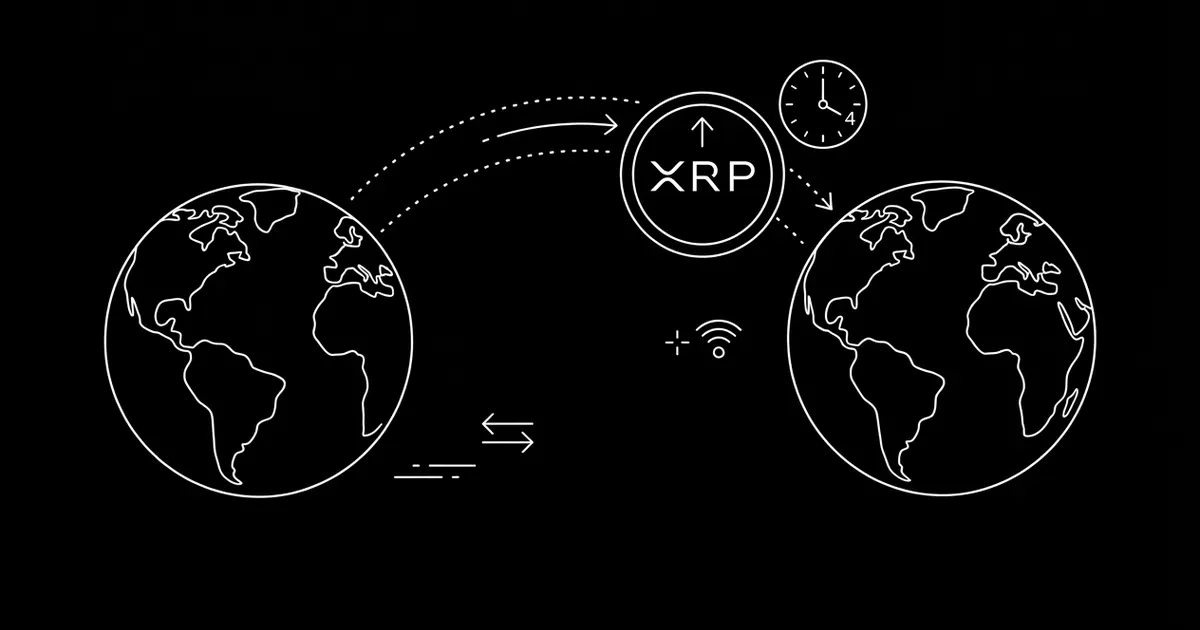
  coins· 8 min·how to accept xrp payments~4-second deterministic finality for fractions of a cent — how XRP compares, destination tags explained, and a worked exporter example.read the guide
  coins· 8 min·how to accept bnb paymentsreach the largest exchange ecosystem's wallet base — costs compared, a worked e-commerce example, network pitfalls and a 1-minute setup.read the guide
  coins· 8 min·how to accept tron (trx) paymentsthe emerging-market workhorse — sub-cent transfers, energy and bandwidth explained, a worked freelancer example and setup.read the guide
  coins· 8 min·how to accept dogecoin paymentsthe meme with real checkout volume — security explained honestly, a creator-store worked example, and low-fee retail setup.read the guide
gateways & api
5 guides gateways & api· 7 min·add a crypto payment gateway to your websitefrom a zero-code payment link to a full checkout integration — every way to take crypto on a site, ranked by effort.read the guide
  gateways & api· 8 min·crypto payment api: a stripe-style integration guidecheckout sessions, signed webhooks, test keys and idempotency — how to build crypto payments into your product properly.read the guide
 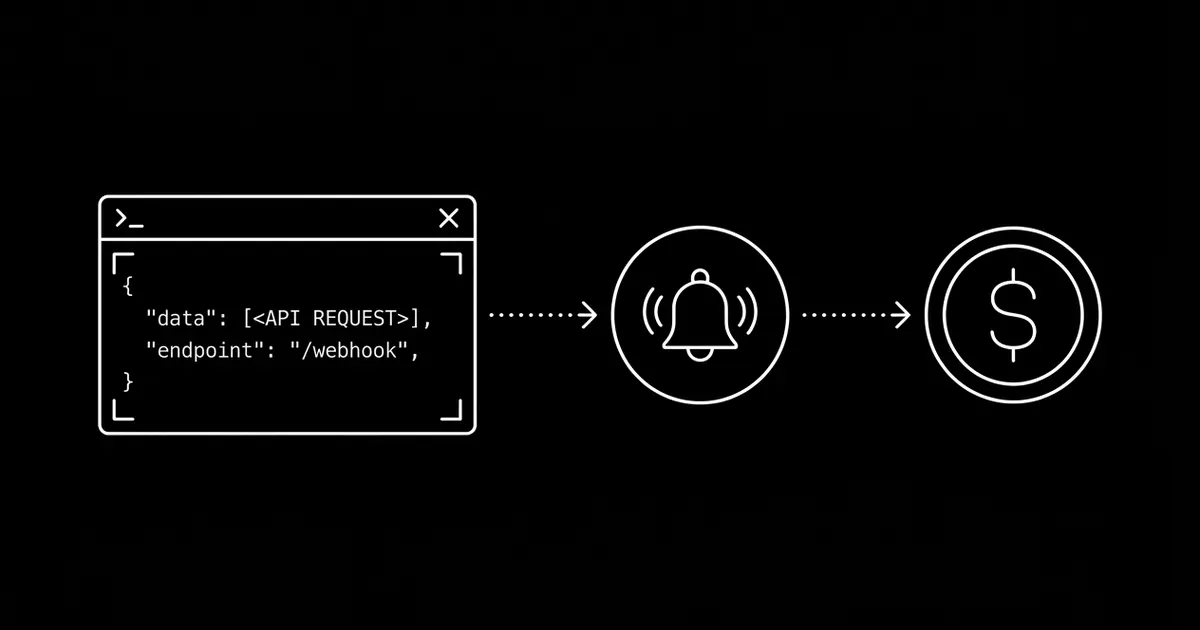 gateways & api· 8 min·how stablecoin payment gateways workwhat actually happens between "pay with USDT" and money in your wallet — rails, pegs, custody models and the fees hiding in each step.read the guide
 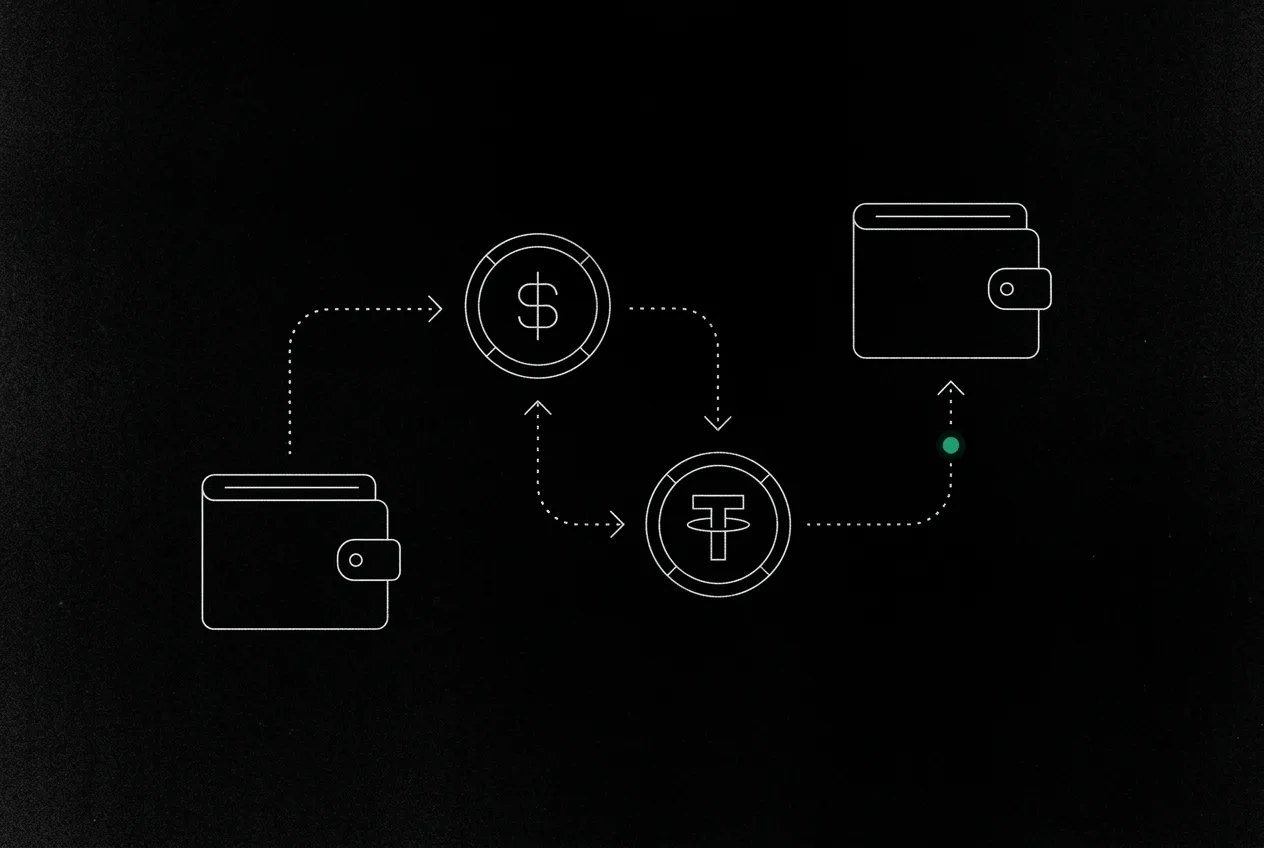 gateways & api· 8 min·7 lessons from building a non-custodial crypto checkoutwhat failed, what mattered, and the product decisions behind wallet-direct settlement, exact payment matching, network safety, signed webhooks and reliable retries.read the guide
platforms
5 guides platforms· 7 min·woocommerce crypto payment gateway: wordpress setup guideadd a 0%-fee, non-custodial crypto payment method to any WordPress / WooCommerce store — one plugin file, fifteen minutes.read the guide
  platforms· 9 min·crypto payment gateway architecturethe components behind a production crypto checkout — order engine, address handling, chain watchers, confirmation logic and signed webhooks.read the guide
 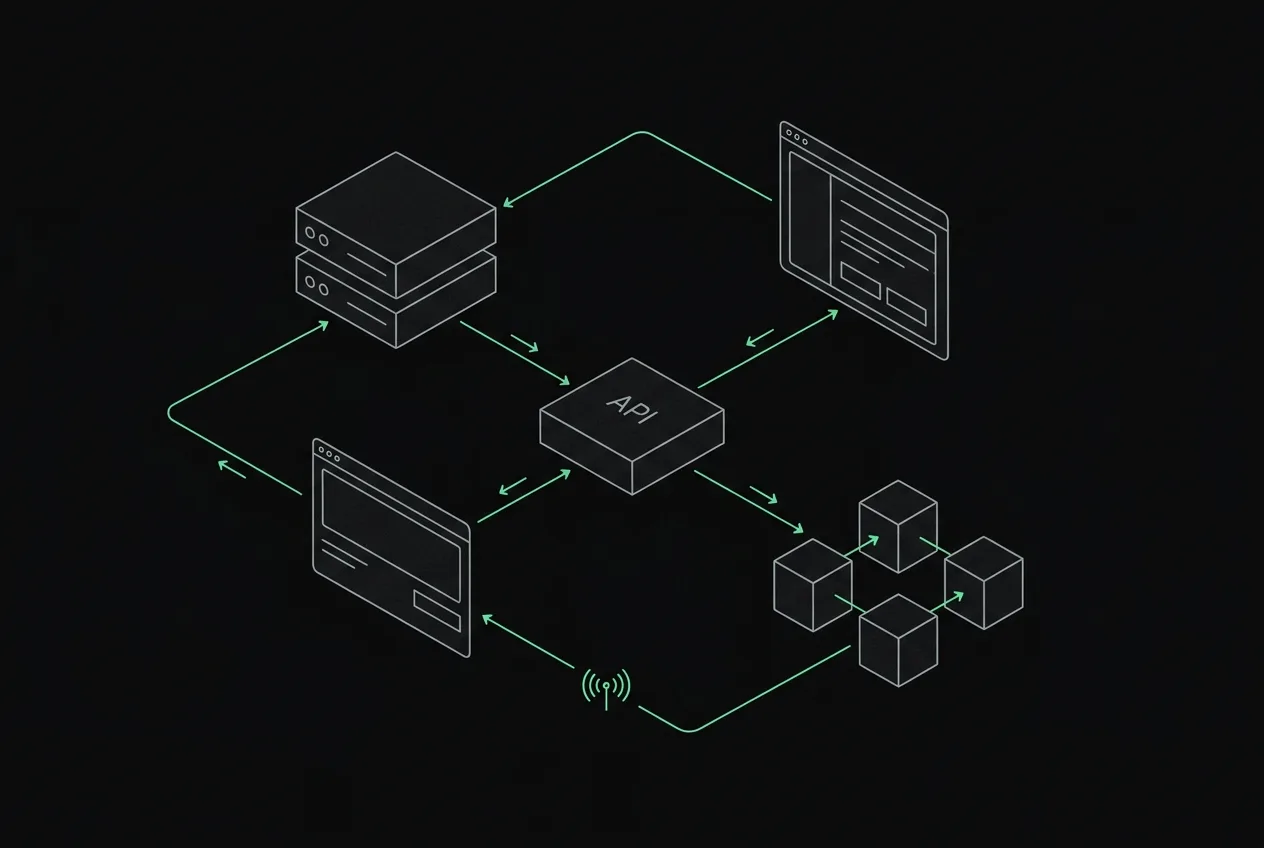 platforms· 7 min·how to accept stablecoin payments on a websitea practical setup guide: choose rails, get addresses, add checkout, and reconcile USDT/USDC payments — live in under an hour.read the guide
 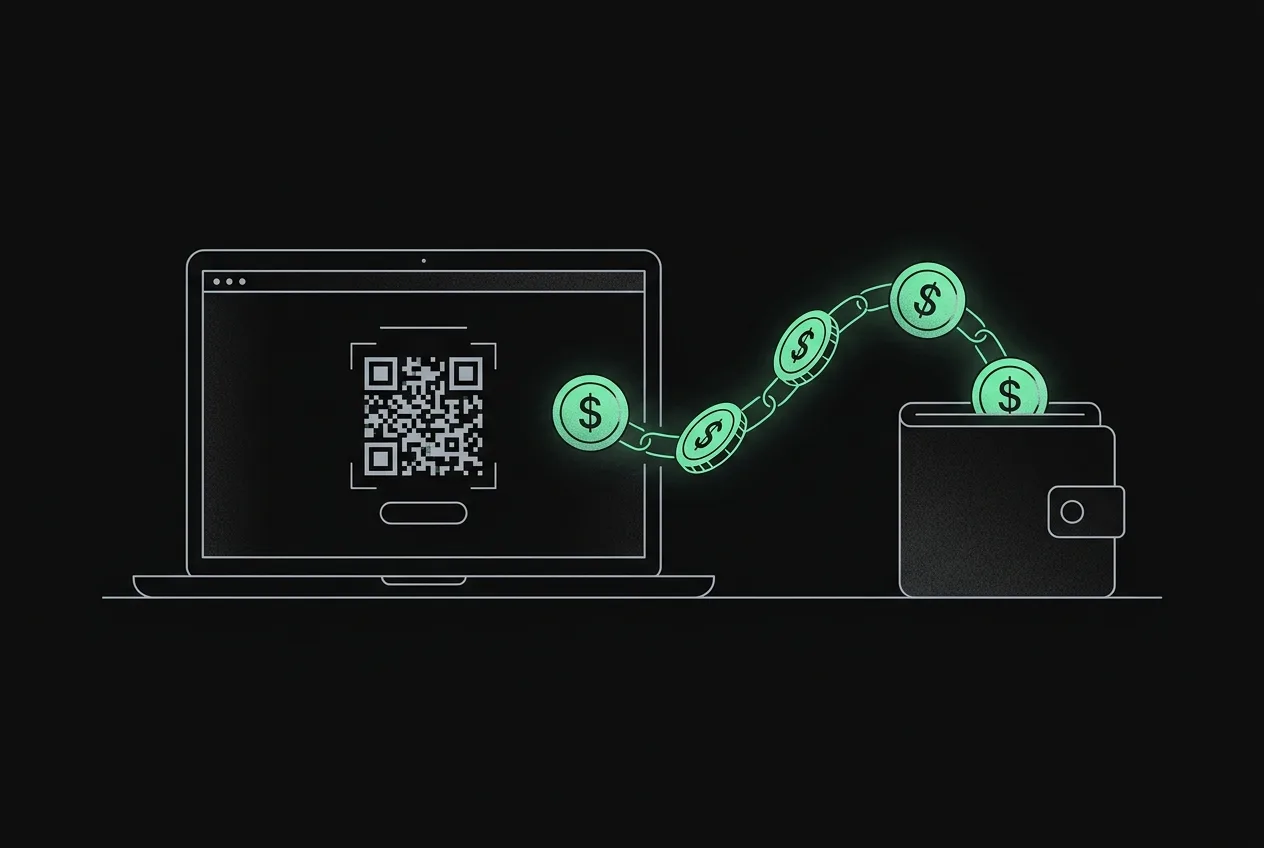 platforms· 7 min·how to set up a crypto storefront (sell products in minutes)from first product to a branded shop — banner, layouts, categories, search, ordering and sold-out handling, with every sale settling to your own wallet.read the guide
fees & invoicing
6 guides invoicing· 8 min·how to create a crypto invoice (step-by-step)invoice clients in Bitcoin, USDT or 19 coins with exact locked amounts, automatic payment matching and on-chain receipts — no spreadsheets, no screenshots.read the guide
  fees & invoicing· 5 min·leave paypal holds behind: get paid in minuteswhy PayPal parks your money for up to 21 days, what a hold really costs a small business, and how to add a settlement rail no one can freeze.read the guide
  fees & invoicing· 5 min·leave square deactivations behind: sell without fearwhy Square deactivates sellers overnight and parks funds for 90 days, and how to add a rail no risk model can switch off.read the guide
  fees & invoicing· 5 min·skip the $30 wire: cross-border payments in minuteswhere wire fees actually go — SWIFT, intermediaries, FX spread — and how a $0.30 stablecoin transfer replaces the whole chain.read the guide
  fees & invoicing· 5 min·leave stripe rolling reserves behind: keep your revenuewhy Stripe quietly parks 5–25% of your revenue for months, what reserves and payout pauses cost you, and the rail with nothing to reserve.read the guide
in-store & freelance
2 guides in-store & freelance· 8 min·crypto payments for freelancers: get paid from anywhereskip wire delays, PayPal holds and 5% FX haircuts — a working setup for invoicing international clients in USDT, BTC and more.read the guide
about crypt.pe
non-custodial by design
Payments settle wallet-to-wallet on-chain, straight from the payer to your own wallet. crypt.pe never holds, freezes or forwards funds — there is no platform balance and no withdrawal step, and every payment gets a verifiable on-chain receipt.
0% transaction fees
Plans are flat subscriptions with a free tier — compare that with the 1–2% charged by custodial processors. One page accepts 19 supported assets — including Bitcoin, USDT, Ethereum and Solana — across 13 networks, with simple pricing and no payout schedule.
tools merchants actually use
Exact-amount invoices with live tracking, product links, printable QR standees, HMAC-signed webhooks, CSV exports and a Stripe-style API — see the merchant guides or create your free page in about a minute.
how a payment works
You add wallet addresses you already own, share your crypt.pe link or QR code, and the customer pays from their own wallet. crypt.pe locks the amount at invoice time, watches the chain, matches the transaction and issues a receipt both sides can verify on a block explorer — software around the payment, never in the money flow.
available wherever wallet-to-wallet payments are permitted
Because settlement is on-chain to your own wallet, there is no bank partnership gating access and no account that can be closed over geography — local crypto rules still apply. crypt.pe publishes country guides for 60 markets and is available where wallet-to-wallet payments are legally permitted.
stablecoin-first, volatility optional
Accept USDT or USDC and a $100 invoice locks to a fixed token amount that targets a $1 peg — value movement between creation and payment stays minimal, though stablecoins can temporarily depeg, and issuer, liquidity and network risks remain. Prefer BTC, ETH or SOL? Token amounts are locked at invoice time either way, and your dashboard records the USD value of every payment for clean bookkeeping. Questions? Start with the FAQ or payment help.