The email arrives with no warning: 'Your Square account has been deactivated.' No specific reason, no person to call, and — the part that turns a bad day into a crisis — your balance held for up to 90 days while sales stop the same afternoon. For sellers who run their whole business through one processor, deactivation isn't an inconvenience; it's a shutdown.
This short guide covers why Square deactivates accounts, what a deactivation actually does to a small business, and the structural fix: adding a second settlement rail beside your card stack that no risk model — Square's or anyone's — has the power to switch off.
why square deactivates sellers
Like every card processor, Square carries chargeback liability on your sales, so its risk models act first and explain later. Deactivations are usually automated, and the notice deliberately vague. The common triggers:
- selling in a category Square's policy marks as high-risk — CBD, tickets, coaching, pre-orders, firearms accessories, and a long tail of others
- a sales pattern the model finds unusual: a big single transaction, a sudden volume spike, or many card-not-present sales
- an elevated dispute rate — even a handful of chargebacks on low volume
- identity or bank-account mismatches during periodic re-verification
- buyer complaints or refund spikes after a busy period
Appeals exist on paper, but sellers consistently report form-letter replies and no route to a human. The account is a judgement rendered by a model, and the model doesn't take meetings.
what a deactivation costs you
Three things happen at once. First, checkout dies — if Square runs your POS, online store and invoices, every sales channel stops together. Second, your money freezes: Square customarily holds the existing balance for up to 90 days as chargeback collateral. Third, you lose the rail itself — hardware, subscriptions and integrations built on an account you can't use.
A seller doing $8,000 a month who gets deactivated mid-month can face weeks with several thousand dollars locked and zero ability to take payment. The deeper lesson isn't about Square specifically — it's about concentration risk. Any single custodial processor is a single point of failure for your entire revenue.
the rail no one can deactivate
A processor can deactivate you because it stands between the buyer's money and your bank account. Non-custodial crypto payments have no such position: the buyer's wallet pays a wallet only you control, on-chain, with the platform never touching the funds. There is no account balance to freeze, no payout to pause and no risk model with the power to turn your income off.
And because confirmed on-chain payments are final, the chargeback exposure that drives deactivation logic doesn't exist on this rail at all.
| square | non-custodial crypto | |
|---|---|---|
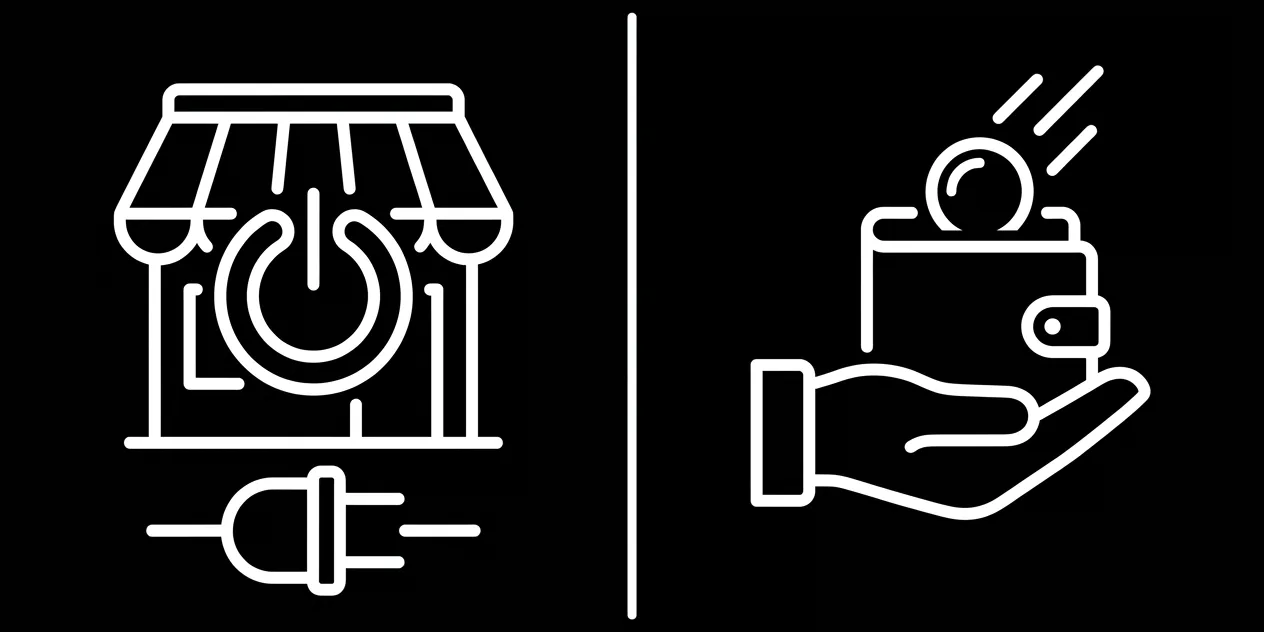
| can your account be shut off? | yes — often overnight, no appeal path | page tooling only — funds and wallet stay yours |
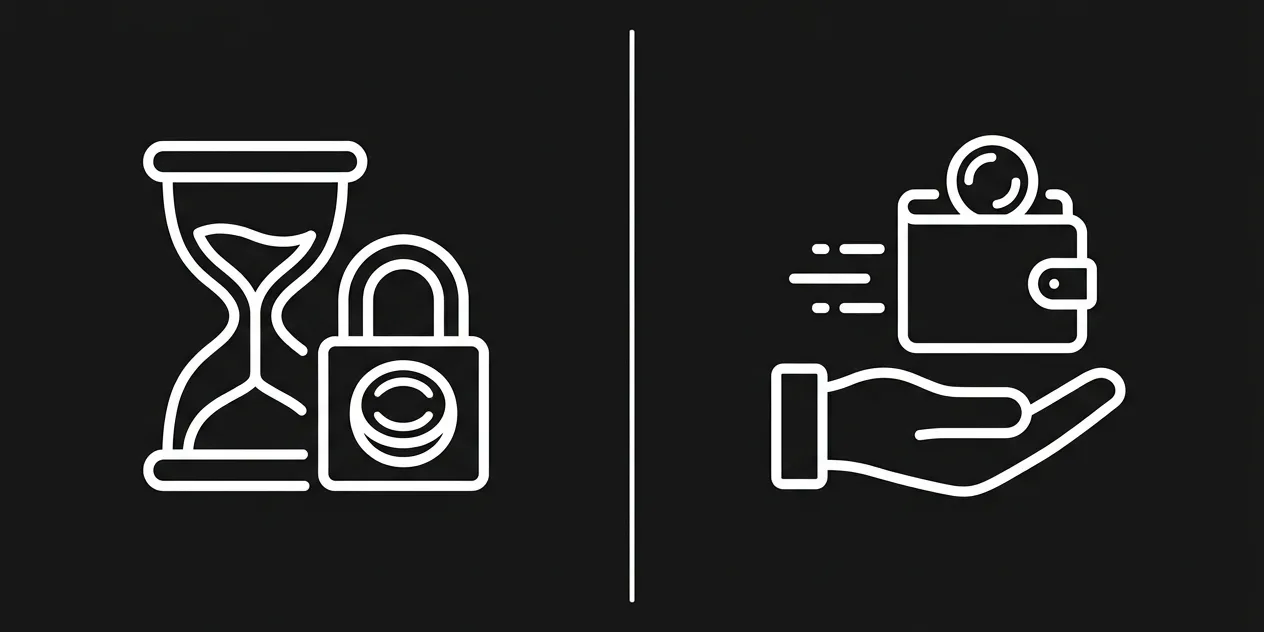
| funds after a shutdown | held up to 90 days | already in your wallet — nothing to hold |
| fee on a $1,000 sale | $26–29 (2.6–2.9% + fixed) | $0 platform fee — payer pays ~$0.30 network fee |
| chargebacks | up to ~120 days of exposure | none — settlement is final |
| where it works | 8 countries | anywhere with internet and a wallet |
de-risk in a weekend — keep square running
The point is not to abandon Square while it works for you — it's to make sure no single deactivation email can ever stop your business. hackastra sells globally, and a US-centric card stack was always the bottleneck; adding a crypto rail made checkout identical for a customer in Lagos and one in London. Same playbook applies to deactivation risk:
- 1. Create a free crypt.pe page and paste in a wallet address you control — 60 seconds, no identity check required, no approval queue.
- 2. Enable stablecoins (USDT, USDC) so amounts stay dollar-stable, plus BTC/ETH if your customers hold them.
- 3. Put the link and QR beside your Square checkout — on invoices, at the counter, in your bio.
- 4. Print the free QR standee for in-person sales, so the fallback rail is literally on the counter.
- 5. Test the failover: take one real payment through the crypto rail this week, so the day you need it, it's already proven.
references
primary sources last verified — details may change; confirm on the source pages.
frequently asked
Why did Square deactivate my account with no explanation?
Deactivations are typically triggered automatically by risk models reacting to category, sales-pattern or dispute signals, and the notices are deliberately generic. Sellers rarely get a specific reason — which is exactly why relying on any single processor is a structural risk.
How long does Square hold funds after deactivation?
Square customarily holds the remaining balance for up to 90 days after deactivation as collateral against chargebacks, releasing what remains afterwards. During that window the money is yours on paper and unusable in practice.
Can crypt.pe deactivate me the same way?
crypt.pe can suspend page tooling for prohibited activity like any service — but it structurally cannot touch money, because there is none on the platform. Every payment settled straight to your own wallet, so even a suspended account changes nothing about funds you've already received.
Do I need to replace Square entirely?
No. Run both: Square for card customers, a crypt.pe link and QR beside it for anyone paying crypto. The crypto rail costs $0 per transaction and doubles as your failover — if the card rail ever stops, you keep selling the same hour.