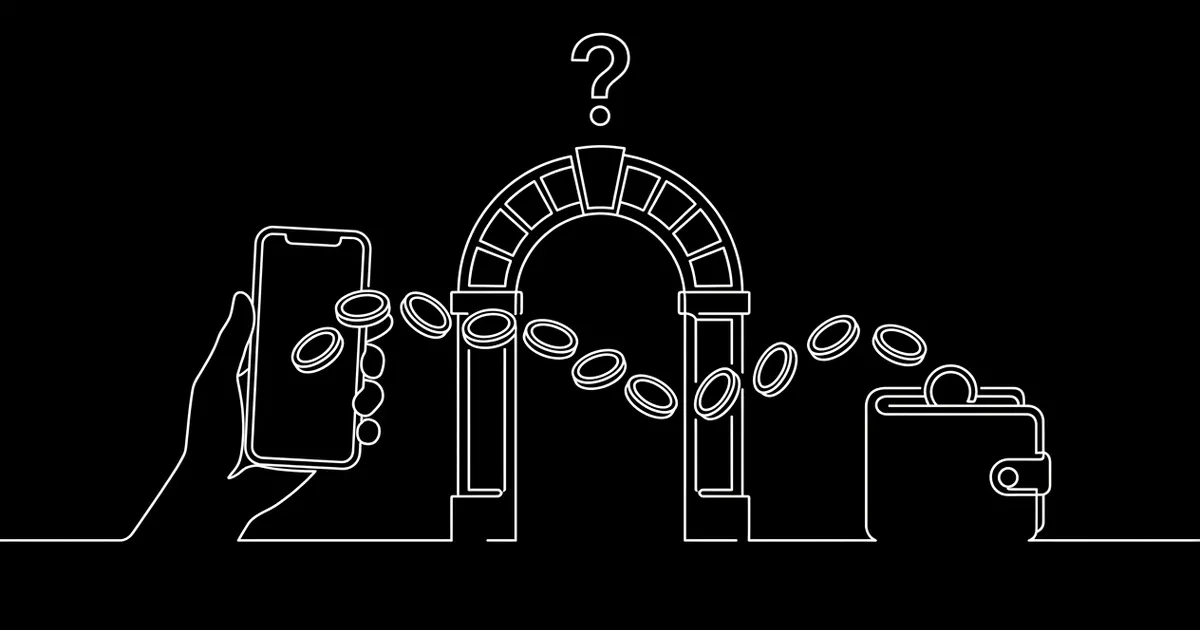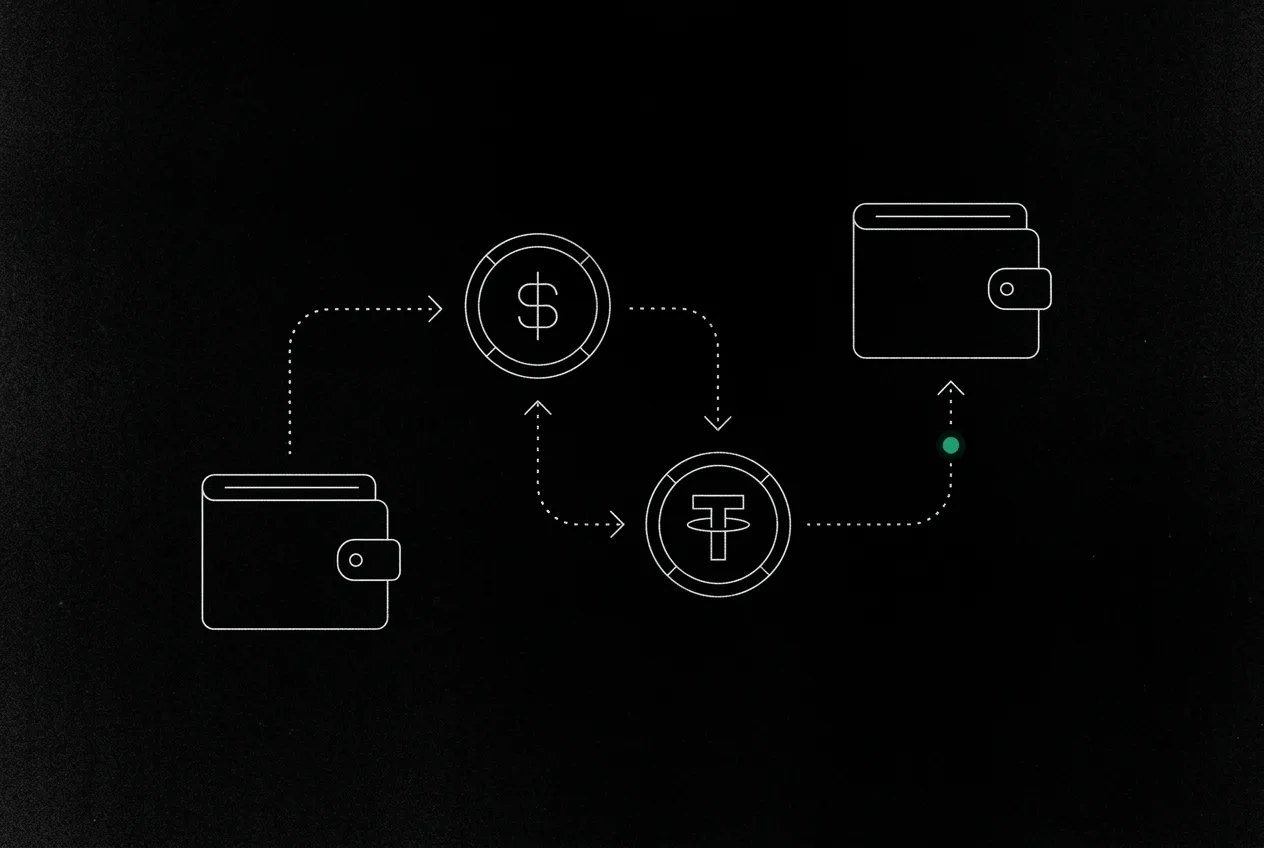
A stablecoin payment gateway lets a business charge in dollars but settle on a blockchain: the customer pays USDT or USDC, the amount is designed to track the dollar 1:1 (temporary depegs, issuer and market risks remain), and the merchant receives it in minutes instead of days. That one sentence hides four moving parts — the stablecoin itself, the network it travels on, the gateway software, and the custody model — and the differences between gateways live almost entirely in those parts.
part 1: what a stablecoin actually is
USDT (Tether) and USDC (Circle) are tokens whose issuers hold reserves so each token redeems for one dollar. [1][2] For a merchant this solves crypto's biggest objection — volatility — because an invoice for 500 USDT is still worth ~$500 when it arrives. The trade-off is issuer trust: you are holding a claim on Tether's or Circle's reserves, not a bank deposit. Most businesses treat stablecoins as working-capital rails: receive, then periodically sweep to wherever they keep treasury.
part 2: the network matters more than the coin
The same USDT exists on several incompatible networks, and sending to the wrong one is the #1 cause of lost payments. [3][4] The network also determines what the payer spends on fees:
| network | typical transfer fee | settlement |
|---|---|---|
| Tron (TRC-20) | < $1 | ~1 min |
| Solana (SPL) | < $0.01 | seconds |
| TON | < $0.05 | seconds |
| BNB Chain (BEP-20) | ~$0.10 | ~1 min |
| Ethereum (ERC-20) | $1–10, congestion-dependent | ~1–5 min |
A good gateway shows the payer exactly which network the address belongs to, generates the right QR format, and refuses to mark an order paid unless the amount arrives on the expected chain. That per-chain detection is most of what gateway software actually does.
part 3: custodial vs non-custodial gateways
This is the fork in the road. A custodial gateway (Coinbase Commerce, BitPay, CoinGate) receives the stablecoins into its own wallets, then pays you out — which is why it can charge ~1% and must run KYB checks: it is legally holding your money. A non-custodial gateway never touches funds: it generates payment requests, watches the chain, and confirms when the exact amount lands in a wallet only you control.
The custody model determines everything downstream: whether you can be frozen (custodial: yes, non-custodial: no), whether onboarding takes days (custodial) or a minute (non-custodial), and whether the fee is a percentage of revenue or a flat software subscription. crypt.pe is non-custodial — payments settle wallet-to-wallet with a 0% transaction fee; network fees and optional plan fees apply.
part 4: what happens on a real payment, step by step
- 1. You create a charge — an amount in USD, converted to a stablecoin amount at the live rate.
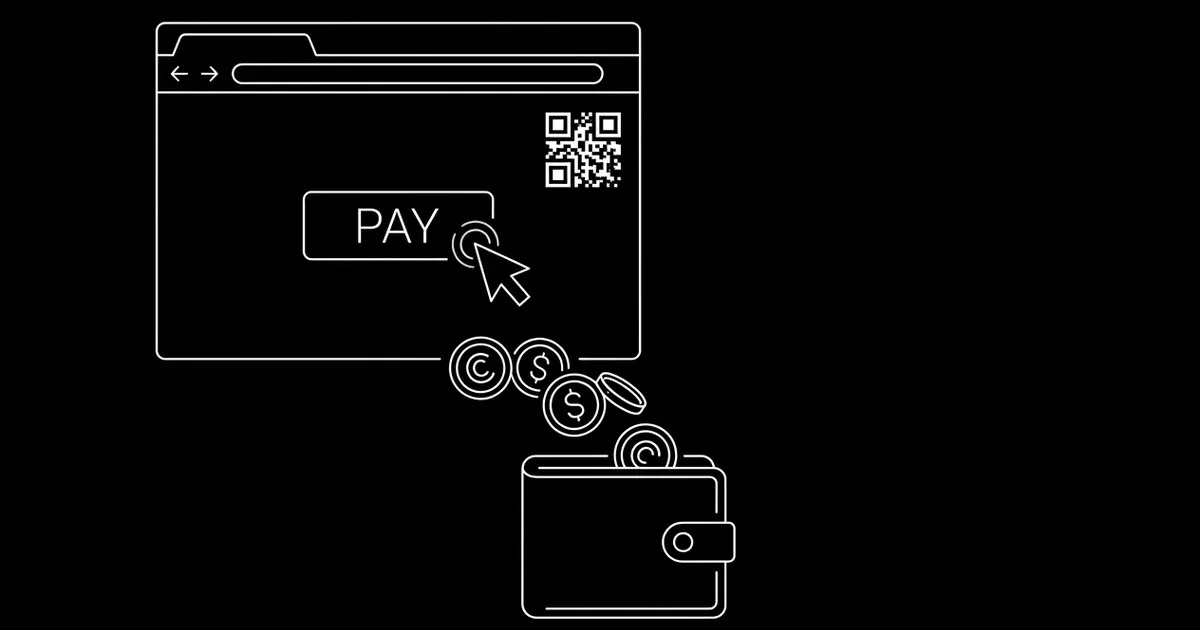
- 2. The gateway shows the payer an address (and network!) with a QR code and an exact amount.
- 3. The payer sends from most wallets or exchange accounts they control.
- 4. The gateway watches the chain and matches the incoming transfer by exact amount + address + network.
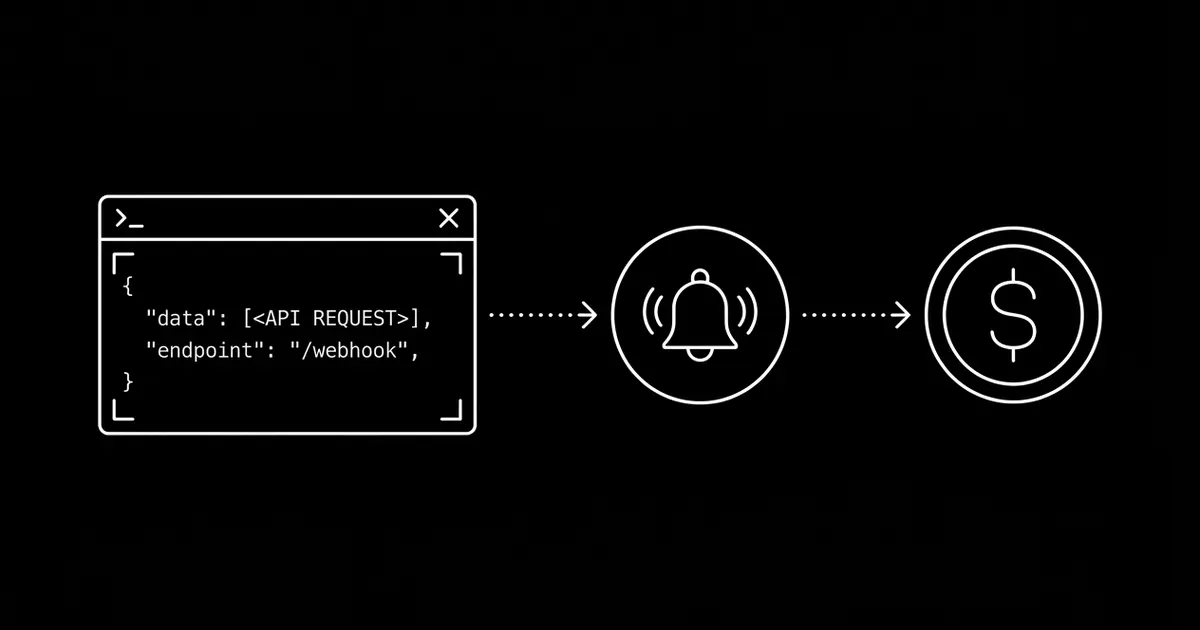
- 5. On confirmation the order flips to paid, receipts go out, and a webhook fires if you've integrated one — the money is already in your wallet.
Note what's absent: no card network, no acquirer, no card-network chargeback window. On-chain settlement is final, which is why stablecoin rails suit cross-border invoices, digital goods and any business tired of disputes.
choosing a stablecoin gateway: a 60-second checklist
- Custody — does the provider ever hold your funds? Prefer wallet-to-wallet.
- Networks — at minimum TRC-20 + ERC-20 USDT and USDC; low-fee options (Solana, TON) are a plus.
- Fee model — a percentage taxes growth; a flat plan doesn't. Check for conversion-fee fine print.
- Amount matching — exact-amount detection on the right chain, not "trust the customer clicked paid".
- Exit cost — can you leave with your wallets intact? Non-custodial means yes, by definition.
references
- [1]Tether (USDT) transparency & reserves
- [2]Circle — USDC official
- [3]ERC-20 token standard — ethereum.org
- [4]TRON developer documentation (TRC-20)
- [5]EU MiCA Regulation 2023/1114 (e-money tokens)
primary sources last verified — details may change; confirm on the source pages.
frequently asked
Are stablecoin payments legal for businesses?
In most jurisdictions receiving stablecoins for goods and services is legal and treated like any other payment for tax purposes, but rules differ by country — check local guidance, and see our per-country merchant guides for specifics. [5]
USDT or USDC — which should a merchant accept?
Both, ideally. USDT has the deepest global liquidity, especially on Tron; USDC is preferred by US-facing and compliance-sensitive counterparties. Accepting both costs nothing extra on a non-custodial gateway.
What does a stablecoin payment cost end to end?
On crypt.pe: 0% transaction fee, so the only cost is the network fee the payer covers (under $1 on Tron, under a cent on Solana) plus any flat plan fee. Custodial gateways typically charge ~1% of the amount instead.
Can a stablecoin payment be charged back?
No. On-chain transfers are final. Refunds become a deliberate action you take, not a reversal imposed on you — a structural difference from cards that eliminates dispute fees entirely.
What if a customer sends on the wrong network?
A well-built gateway prevents this by showing the network prominently and matching payments per chain. If it still happens, funds sent to an address on a chain where you control the same key (EVM chains share addresses) are usually recoverable from your own wallet.