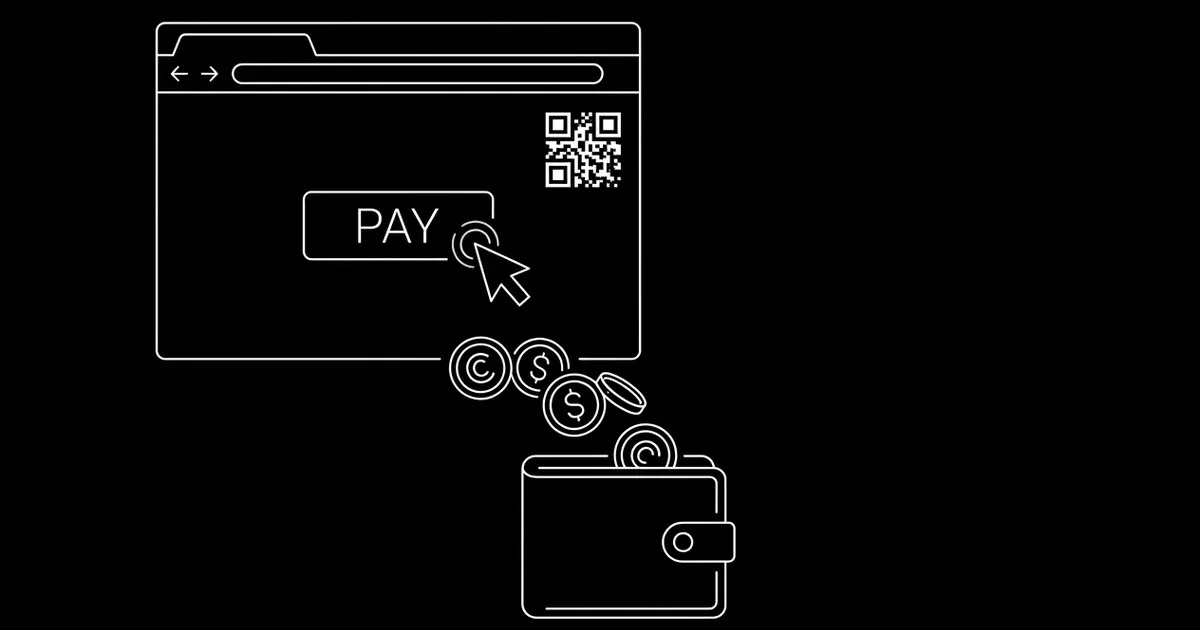
A crypto payment gateway is the software layer between 'customer wants to pay in crypto' and 'merchant has the money': it shows the right address and amount, watches the chain, confirms the payment and issues the receipt. What it should NOT have to do is hold your money — though many do.
This guide explains the moving parts in plain English so you can evaluate any provider in ten minutes.
the four jobs of a gateway
Price conversion (your fiat price → an exact crypto amount, locked briefly so volatility can't cause disputes), address presentation (QR + copy field, ideally a fresh address per sale), on-chain detection (watching the network and applying a sensible confirmation policy), and records (receipts, history, CSV export). Everything else — payouts, custody, conversion — is optional bank-like service layered on top, and it's where the fees live.
custodial vs non-custodial
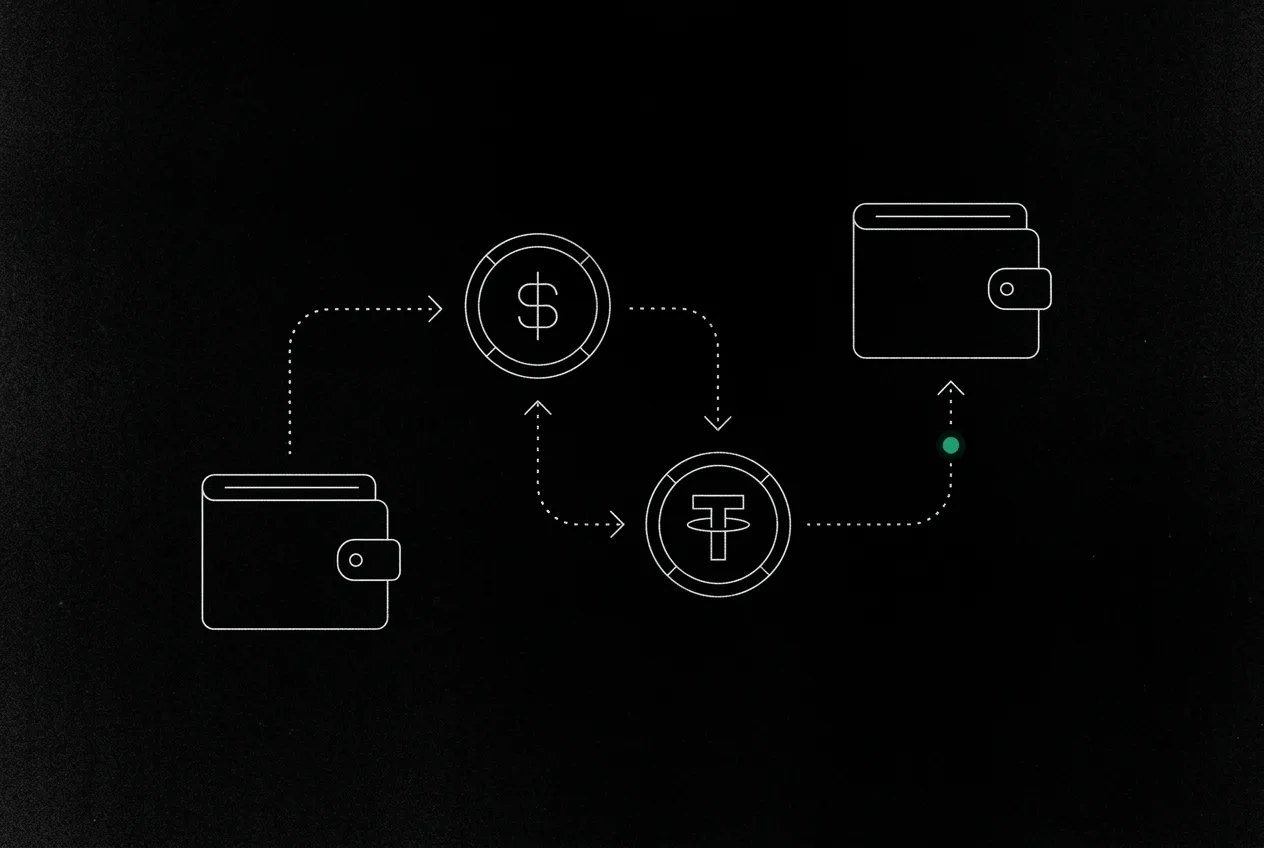
Custodial gateways (BitPay, NOWPayments) receive funds into their own wallets and credit you a balance: simpler fiat off-ramps, but 0.5-1%+ fees, KYC before your first sale, and the real risk of freezes and holds. Non-custodial gateways like crypt.pe never touch the money — payments go wallet-to-wallet, verification is software, pricing is a flat subscription with 0% per transaction.
what integration looks like
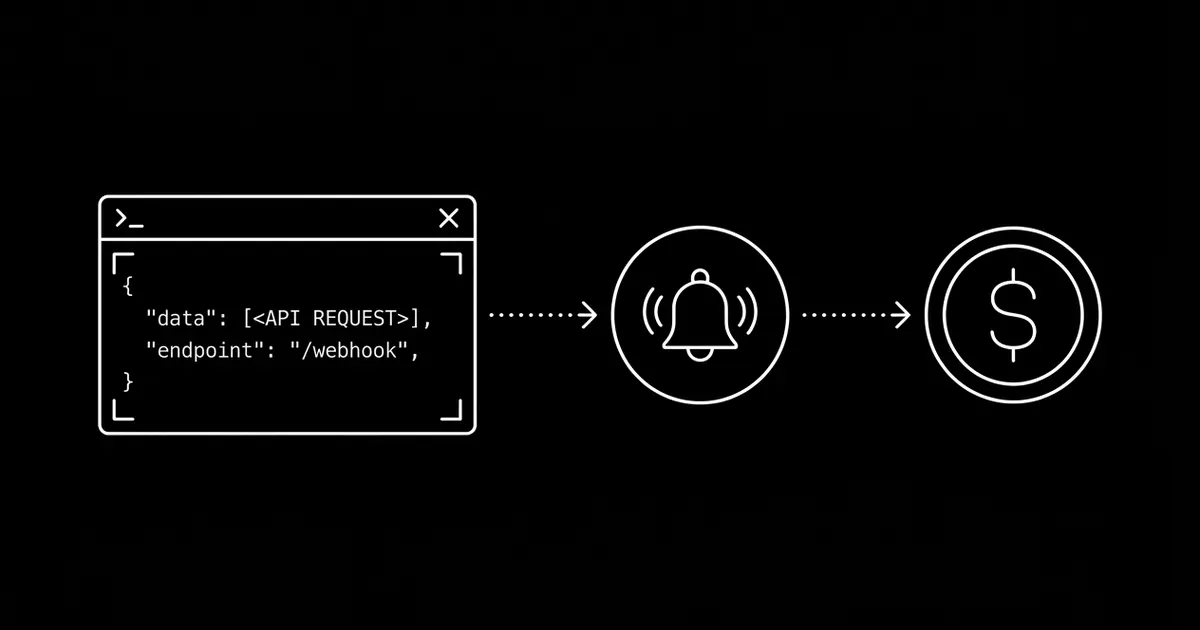
Simplest: a hosted payment page you link from anywhere — zero code. Middle: payment links and invoices with locked amounts. Deepest: a Stripe-style API with checkout sessions and signed webhooks, plus plugins for Shopify and WooCommerce. A good gateway offers all three so you can start with a link today and integrate the API when volume justifies it.
questions that expose a bad gateway
Who holds the keys? What exactly triggers a freeze? What are the per-transaction AND payout fees? What happens to balances if the company exits your country? And the disqualifier: any service that asks for your seed phrase or private key is either broken or malicious — a gateway only ever needs public addresses.
references
- [1]Bitcoin developer guide — payment processing
- [2]BitPay settlement documentation (custodial model)
- [3]BTCPay Server documentation (self-hosted model)
primary sources last verified — details may change; confirm on the source pages.
frequently asked
Do I need a crypto payment gateway to accept crypto?
Strictly no — you can paste an address into an email. But a gateway removes the failure modes: wrong amounts, wrong networks, no receipts, manual checking. Non-custodial gateways give you that software without taking custody or a percentage.
How much does a crypto payment gateway cost?
Custodial processors charge roughly 0.5-1% per transaction plus payout fees. Non-custodial tools like crypt.pe charge 0% per transaction with a flat subscription, because they only provide software — the money never passes through them.
Is a crypto payment gateway safe?
A non-custodial gateway is as safe as your own wallet, since funds never sit with a third party. With custodial gateways you inherit the provider's solvency, security and freeze policy on top of your own risks.