Accepting stablecoin payments on a website takes four decisions and about an hour: which stablecoins and networks to accept, where the money should land, how checkout presents the payment, and how you'll reconcile it. This guide is the practical how-to; if you want the underlying mechanics first, read how stablecoin payment gateways work.
step 1: pick your coins and rails
Start with USDT on Tron (TRC-20) and USDC on Solana — between them they cover most stablecoin payers at near-zero network fees. Add ERC-20 variants if your customers are DeFi-native and don't mind Ethereum fees, and TON if your audience lives in Telegram. Fewer rails at launch means fewer addresses to manage and less payer confusion; you can enable more later.
step 2: get receiving addresses you control
Non-custodial means the money lands in your wallet, so create one before touching any gateway: a hardware or reputable software wallet, one address per network family. Never paste an exchange deposit address as your receiving address — exchanges can change them and some reject contract transfers. Write down which address belongs to which network; sending USDT-TRC20 to an Ethereum address is the classic irreversible mistake.
step 3: add checkout to your site
You have three integration levels, lowest effort first:
| method | effort | fits |
|---|---|---|
| payment page link/QR (crypt.pe/yourname) | minutes, no code | freelancers, socials, invoices |
| payment buttons or storefront embeds | copy-paste snippet | portfolios, simple stores |
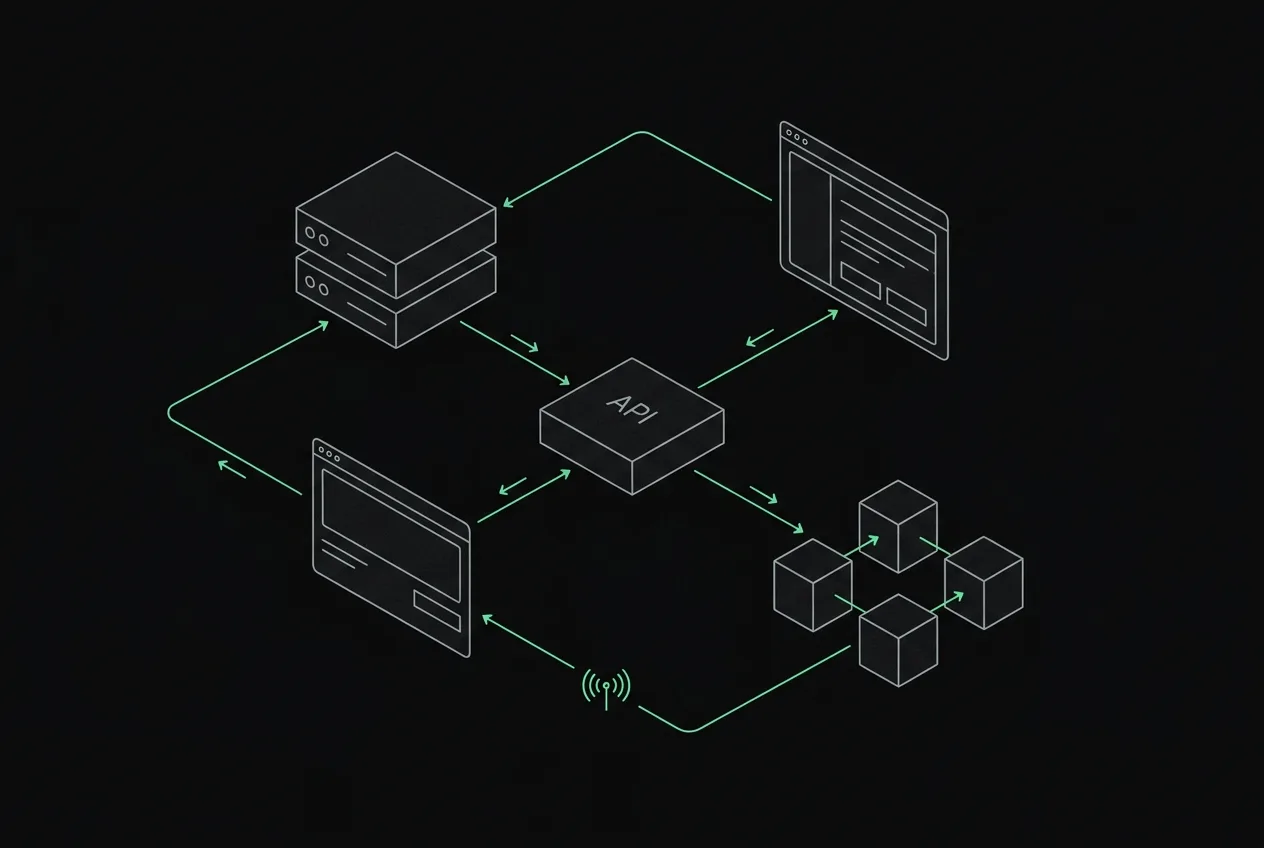
| orders API + hosted checkout + webhooks | an afternoon | e-commerce with fulfilment |
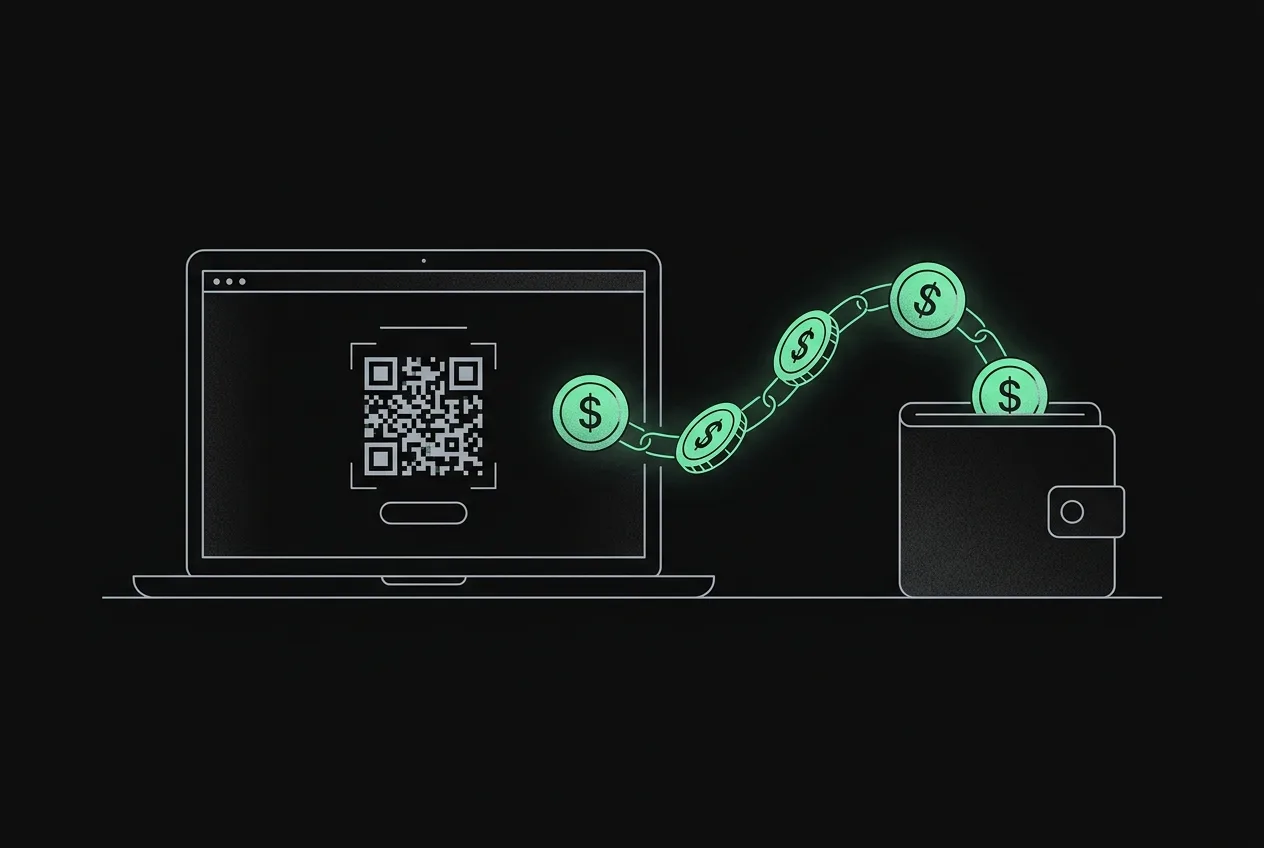
Whichever level you choose, the payer experience is the same: they pick USDT or USDC, see one address with its network clearly labelled, scan a QR, and send the exact amount. The gateway watches the chain and flips the order to paid — on crypt.pe with a 0% crypt.pe transaction fee (network fees and optional plan fees apply).
step 4: reconcile like an accountant, not a trader
Every settled payment should record the USD value at settlement time, the transaction hash and the payer network — crypt.pe stores this and exports CSV so your books don't depend on screenshots. Decide a sweep policy up front: many businesses leave a working float in the receiving wallet and periodically move the rest to treasury. Refunds are manual by design (on-chain payments are final), so publish a refund policy that asks customers for a return address.
common mistakes to avoid
The four that cause real losses: accepting a network you can't actually spend from (check your wallet supports it before enabling); reusing one exchange address everywhere; marking orders paid on "payment seen" instead of exact-amount confirmation; and quoting prices in crypto instead of dollars — stablecoins exist precisely so your prices can stay in dollars end to end.
references
- [1]Tether (USDT) transparency & reserves
- [2]Circle — USDC official & attestations
- [3]EU MiCA Regulation 2023/1114 (e-money tokens)
- [4]TRON docs — resource model (TRC-20 costs)
primary sources last verified — details may change; confirm on the source pages.
frequently asked
How do I accept stablecoin payments on my website?
Pick your rails (USDT on Tron and USDC on Solana cover most payers cheaply), create wallets you control with one address per network, then add checkout at the level you need: a hosted payment page link, embeddable buttons, or the orders API with signed webhooks. On crypt.pe this is live in about an hour with a 0% crypt.pe transaction fee.
Do I need a special bank account or KYC to start?
Not to start accepting into your own wallet on crypt.pe — it's non-custodial, so there's no held balance to onboard for. Your normal business obligations (taxes, bookkeeping, local regulation) still apply, and converting to fiat through an exchange will involve that exchange's KYC.
Which stablecoin network is best for payments?
Tron (TRC-20) for USDT and Solana for USDC are the workhorses: fees under a cent to a few cents and settlement in seconds to a minute. Ethereum ERC-20 is the most widely held but costs the payer the most in network fees. Good checkouts label the network beside every address so payers can't pick wrong.
What fees do I pay on stablecoin payments?
On crypt.pe, a 0% crypt.pe transaction fee — the payer covers the network fee, and optional flat plans add features. Percentage-fee processors take roughly 1% or more of every sale instead; on real volume the flat model is usually the difference of thousands per year.